Why Uptime, Power, and Connectivity Matter When Choosing a Data Center
 Aug 11, 2026
  5 min read
  Facebook
 Twitter
 LinkedIn
 Email
Email
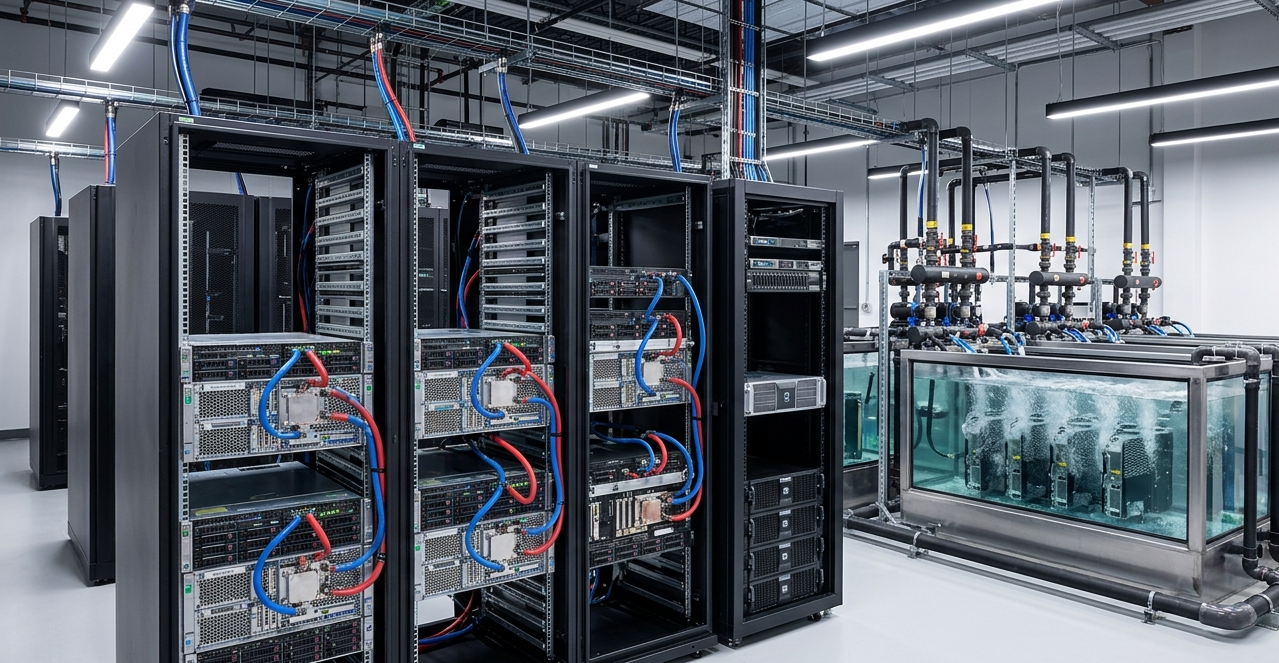
Businesses today run on data, whether it’s an e-commerce platform processing orders, a bank managing transactions, or a healthcare provider storing patient records. But behind all of this sits a data center, the physical backbone that keeps applications running and information flowing. However, not all data centers are built the same way. Among the most important factors influencing data center reliability and performance are uptime, power resilience and connectivity.
Get these right, and your business runs smoothly even during peak demand or unexpected failures. Get them wrong, and you risk downtime and unhappy customers. Let’s learn more about these components of the data center.
Why Uptime Is the First Thing to Check
Uptime is simply the amount of time a data center stays operational without interruption. It is usually measured as a percentage, and even small differences matter more than they seem. A facility with 99.9% uptime can still face close to 9 hours of downtime a year, while one built for 99.995% uptime sees only around 26 minutes of downtime annually.
For a business running critical workloads, those minutes and hours translate directly into lost transactions, frustrated users, and damaged trust. Downtime during a shopping sale, a bank settlement window, or a hospital’s patient monitoring system is not just inconvenient. It can be costly and, in some cases, dangerous.
High uptime is achieved through redundant systems. This means the data center does not rely on a single power feed, cooling unit, or network path. If a component fails, redundant infrastructure helps maintain operations. UPS systems provide immediate backup power, while generators or other secondary sources support the facility during longer outages.
Why Power Reliability Matters
Data centers run thousands of servers, storage units, and networking devices, all of which need a constant and stable power supply. Without appropriate protection, even a brief power disturbance can interrupt equipment, affect data integrity or trigger lengthy recovery processes.
Reliable data centers address this through multiple layers of power backup. This usually includes:
- Diverse or redundant power-distribution paths to reduce single points of failure
- UPS systems that maintain uninterrupted power during a utility disruption
- Generators, and where deployed, battery energy storage systems, to support longer outages or bridge power transitions
- Regular testing and preventive maintenance to confirm that backup systems perform as designed
As AI workloads grow, power demand at data centers is also rising sharply, since AI servers consume significantly more electricity than traditional computing setups. This makes power planning even more important today than it was a few years ago. Businesses should also look at how a data center sources its power, since many operators are now shifting toward renewable energy and long-term power purchase agreements to keep both costs and carbon footprints in check.
Why Connectivity Determines Real-World Performance
Even with perfect uptime and power, a data center is only as useful as its network connectivity. Connectivity determines how fast and reliably data travels between the data center, users, and other cloud or business systems.
A well-connected data center generally offers:
- Multiple network carriers, so there is no single point of failure in connectivity
- Low latency, which matters for applications like online gaming, financial trading, and real-time video
- Direct or private connections to major cloud providers, reducing dependence on the public internet
- Proximity to internet exchange points, which improves speed for regional users
For enterprises with customers spread across different regions, choosing a data center with strong local connectivity can significantly reduce lag and improve the overall user experience. This is especially important for businesses in India, where data localisation rules and fast-growing digital adoption make local infrastructure a practical necessity rather than a nice-to-have.
How These Three Factors Work Together
Uptime, power, and connectivity are not separate boxes to tick off. They work together as a single system. A data center might have excellent backup power but poor network diversity, leaving it exposed if a single internet provider faces an outage. Similarly, strong connectivity means little if the facility cannot guarantee consistent power to keep servers running in the first place.
When evaluating a data center, it helps to ask direct questions:
- What is the guaranteed uptime, and is it independently certified?
- How many layers of power backup are in place, and how often are they tested?
- How many network carriers does the facility support, and what is the average latency to key regions?
- What happens during a real failure, not just in theory but based on past incidents?
Selecting the Right Partner
Choosing a data center is a long-term decision that affects everything from daily operations to disaster recovery planning. A data center with a strong uptime history, layered power backup, and diverse connectivity options gives businesses the confidence to scale without worrying about infrastructure failures holding them back.
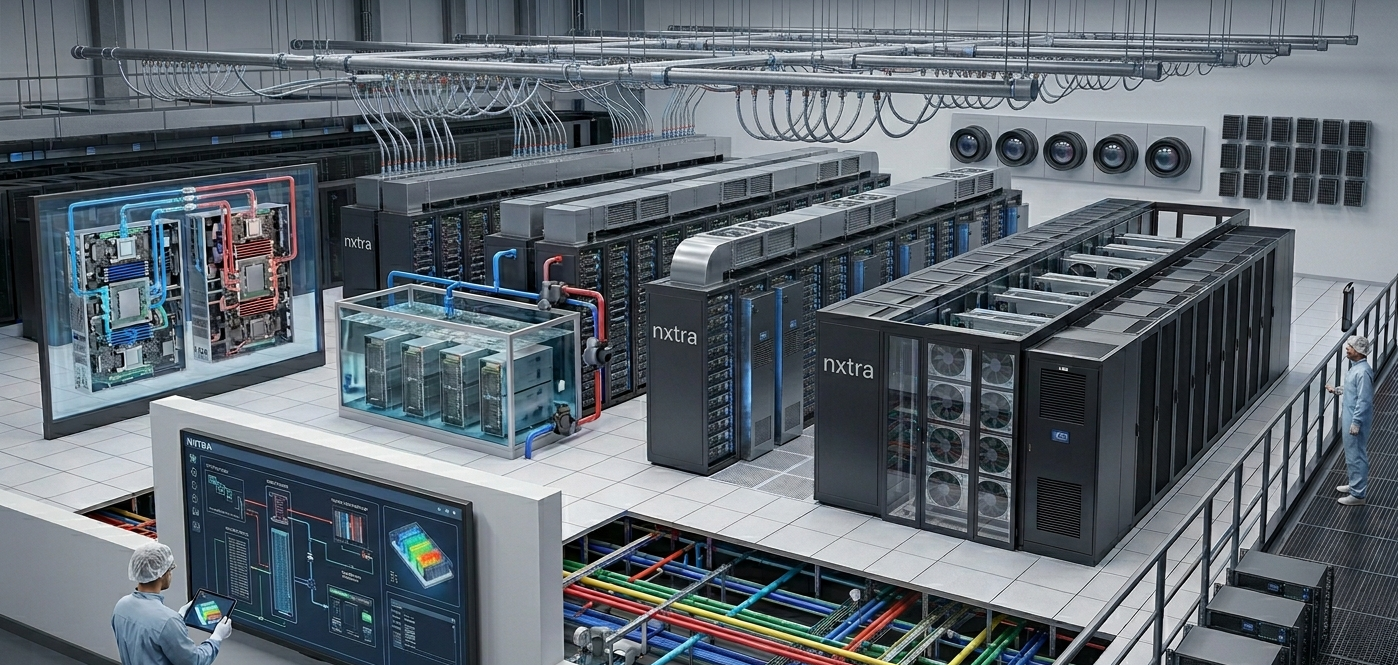
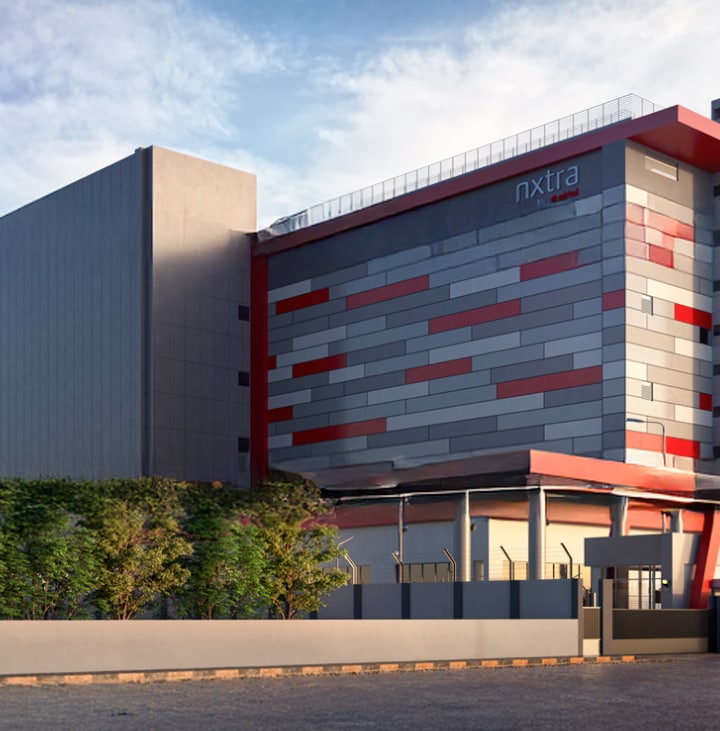
This is where Nxtra by Airtel stands out. With 15 hyperscale data centers and 120+ edge presence across India, Nxtra combines resilient infrastructure with extensive connectivity and round-the-clock support. Its connected ecosystem provides access to cloud platforms, CDNs, internet exchanges and partners, backed by Airtel’s network. Nxtra is also building infrastructure to accommodate purpose-built AI environments with a mix of air- and liquid-cooled workloads. Alongside this, it is increasing renewable-energy use and improving energy efficiency across its operations.
FAQs
FAQs
-
The appropriate uptime requirement depends on the workload and the business impact of an outage. Many enterprises seek availability commitments of 99.99% or higher for critical applications, but the percentage should be assessed alongside the SLA definition, facility architecture, redundancy and operational track record.
-
A single point of failure in power can bring down all operations instantly. Multiple backups, such as UPS systems and generators, ensure that a power cut in one layer does not affect the entire facility.
-
Poor connectivity increases latency, which slows down applications and creates a laggy experience for users. Strong, diverse connectivity keeps data moving quickly and reliably, even during peak traffic.
-
Higher availability can require additional investment in redundant power, cooling, connectivity and operational controls. However, businesses should compare this investment with the financial and operational impact of downtime rather than evaluating price alone.