Sustainable AI Infrastructure: Can Data Centers Reduce AI Energy Consumption?
 Jun 8, 2026
  5 min read
  Facebook
 Twitter
 LinkedIn
 Email
Email

Artificial intelligence is changing the way businesses work, but this progress comes at a cost. Training and running AI models require massive computing power, and that means massive energy use. As AI adoption grows across industries, data centers are under pressure to support this demand without adding to the climate burden. The good news is that sustainable data centers are proving that it is possible to power AI responsibly. Through smarter design, efficient cooling, and renewable energy, data centers can cut consumption while still meeting performance needs. Here is how this shift is taking shape.
Why AI Is Pushing Energy Demand Higher
AI workloads are far more energy intensive than traditional computing tasks. Training a single large language model can consume as much electricity as thousands of homes use in a year. Even after training, running these models for everyday tasks like chatbots, recommendation engines, and image generation adds a constant load on servers.
This growing demand is not slowing down. As more companies build AI into their products, the strain on power grids and cooling systems will only increase. This is why energy efficiency in data centers is no longer optional. It has become a core part of how facilities are designed and operated.
The Real Cost of Powering AI
Every AI workload consumes computing resources, although its energy requirement varies significantly by model, hardware and type of task. High performance computing systems built for AI, such as advanced GPU clusters, consume far more power than standard servers. At scale, high-performance computing clusters can create substantial and highly concentrated power requirements.
Cooling adds another layer of cost. High-density GPU infrastructure generates concentrated heat loads that require more advanced cooling than conventional racks. In many facilities, cooling alone accounts for a large share of total energy use. This makes cooling efficiency one of the biggest opportunities for reducing the overall footprint of AI infrastructure.
How Data Centers Are Responding
Data center operators are not standing still. Several strategies are already helping reduce the energy needed to support AI workloads.
Smarter cooling systems
Traditional air-based cooling is being replaced or supported by more advanced methods such as liquid cooling and hot and cold aisle containment. These approaches target heat more precisely, so less energy is wasted cooling empty space. Some facilities are also using outside air and natural cooling techniques wherever climate conditions allow.
AI managing AI’s own footprint
Interestingly, AI itself is helping solve part of the problem it created. Machine learning models can now analyze real-time data on temperature, server load, and energy use to predict issues before they happen. This allows facilities to make automatic adjustments to cooling and power distribution, cutting waste without needing constant manual monitoring.
Renewable energy integration
Many data centers are shifting toward solar, wind, and other clean energy sources to power their operations. This reduces dependence on fossil fuels and helps facilities move closer to carbon neutral goals. Locating renewable-powered facilities in regions with strong solar or wind resources adds further efficiency.
Measuring Progress: Why PUE Matters
Power Usage Effectiveness, or PUE, is the standard metric used to measure how efficiently a data center uses energy. It compares the total energy a facility consumes to the energy actually used by its IT equipment. A lower PUE means less energy is lost to cooling, lighting, and other overhead functions.
As AI workloads grow, tracking PUE becomes even more important. It gives operators a clear way to measure whether their efficiency efforts are working and helps set realistic targets for improvement over time.
Building Sustainable Data Centers for the AI Era
Designing infrastructure for AI from the ground up gives operators more room to build sustainability in from day one. This includes:
- Choosing energy efficient hardware built specifically for AI workloads
- Installing real time monitoring systems to catch inefficiencies early
- Setting clear sustainability targets aligned with recognized standards
- Planning for renewable energy access at the site selection stage
Balancing Growth With Responsibility
The demand for AI is not going away, and neither is the responsibility to manage its impact. Businesses today expect their infrastructure partners to support high performance computing while also meeting sustainability commitments. This means data center operators must think beyond just uptime and speed. Energy efficiency, cooling innovation, and clean power sources need to be part of every major decision.
Sustainable data centers are proving that this balance is achievable. With the right mix of technology, design, and operational discipline, it is possible to support the AI revolution while keeping energy consumption in check.
How Nxtra by Airtel Helps
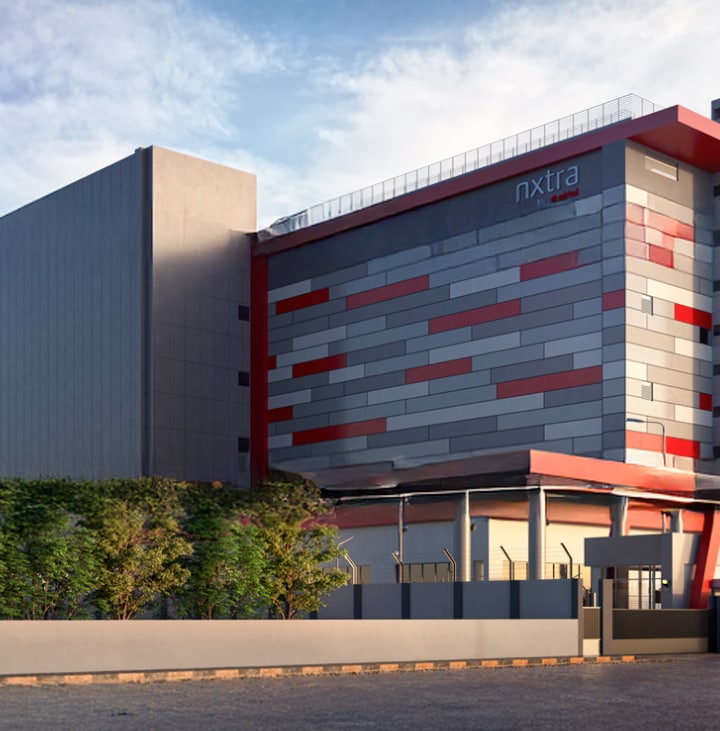
Nxtra by Airtel combines AI-ready infrastructure with a strong commitment to sustainability. As an RE100 member, Nxtra is increasing the use of renewable energy across its operations. It also uses AI-led monitoring and automation to optimise cooling, power distribution and equipment performance in real time, helping reduce energy overhead and improve PUE. Together with advanced cooling and energy-efficient design, these measures enable Nxtra to support high-density AI workloads while progressing towards its Net Zero 2031 goal.
Conclusion
AI is here to stay, and its energy demands will keep growing alongside it. Meeting this demand must go hand in hand with improving energy and carbon performance. Through smarter cooling, renewable energy adoption, virtualization, and AI-driven monitoring, data centers are finding real ways to reduce their footprint. As more facilities adopt these practices, sustainable data centers will play a central role in making sure AI growth does not come at the planet’s expense.
FAQs
-
AI workloads, especially training large models, require intense processing power over long periods. These workloads can consume considerably more electricity and generate more concentrated heat than conventional computing.
-
PUE, or Power Usage Effectiveness, measures how much energy a data center uses overall compared to what its IT equipment actually needs. A lower PUE generally indicates more efficient use of energy by the supporting data centre infrastructure.
-
Many data centers are moving toward renewable energy sources like solar and wind, but full reliance depends on location, grid infrastructure, and energy storage capacity. Combining renewables with efficiency measures offers the most practical path forward today.
-
Cooling can account for a significant share of a data center’s total energy use. Advanced cooling methods such as liquid cooling and containment systems help reduce this consumption significantly, making facilities more sustainable overall.