High-Density Colocation: Why AI Workloads Need Next-Gen Infrastructure
 Jun 8, 2026
  4 min read
  Facebook
 Twitter
 LinkedIn
 Email
Email
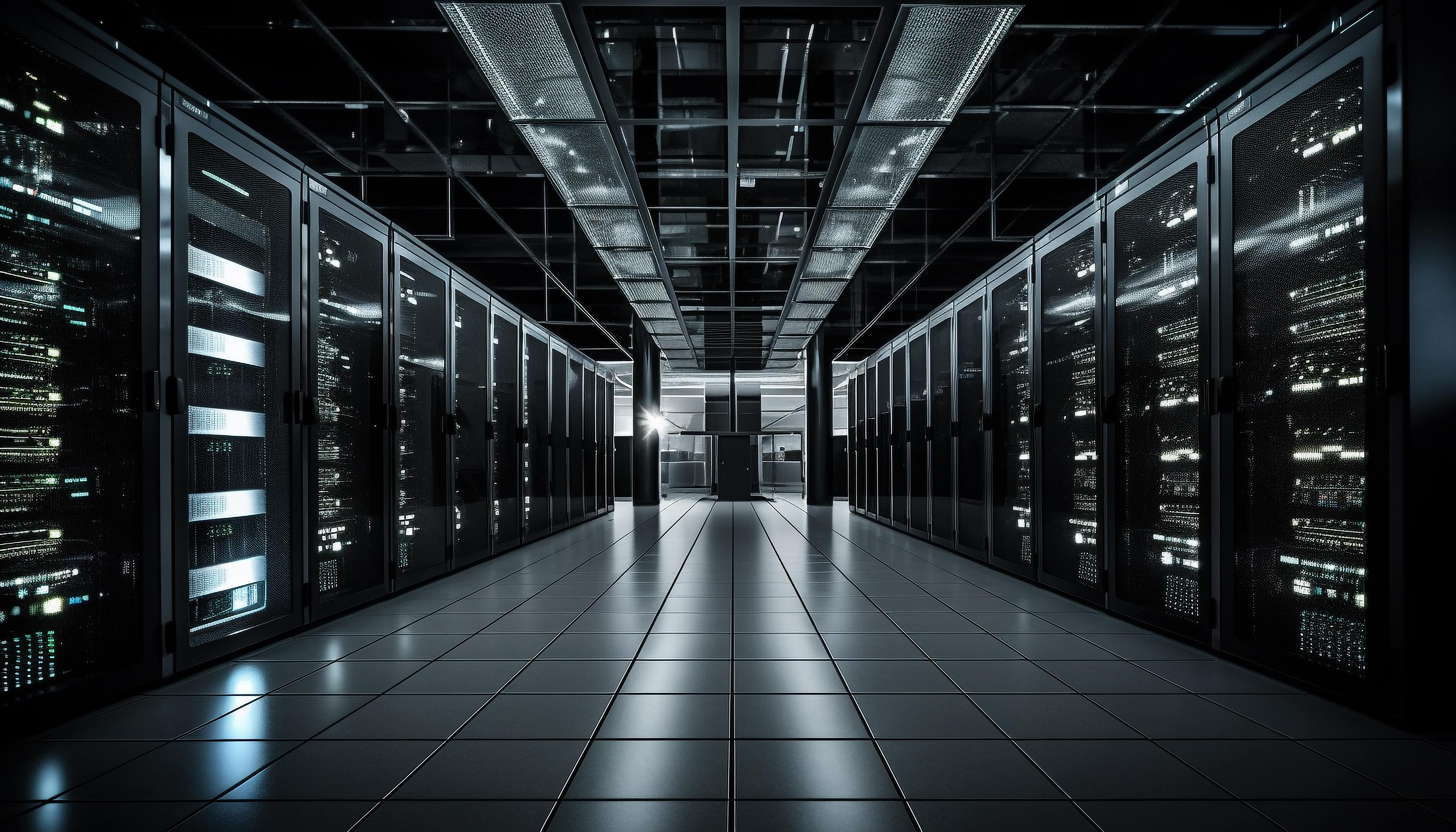
AI has changed what enterprises expect from their data centers. Training large models and running real-time inference require significantly more computing power and generate considerably more heat. Many conventional data centers were not designed to support these demanding power and cooling requirements. While conventional enterprise racks typically operate at lower densities, GPU-intensive AI environments can require 40–100+ kW per rack and even higher densities for advanced deployments. This is where high density colocation comes in. It is quickly becoming the backbone for enterprises building AI-ready infrastructure in India.
What Is High-Density Colocation?
High density colocation refers to data center space designed to support much higher power and cooling loads per rack than standard facilities. Unlike conventional colocation environments, high-density facilities can support rack densities of 40–100+ kW, with specialised infrastructure for even more demanding AI deployments.
The difference lies not only in power availability but also in the ability to remove the resulting heat efficiently. As GPU infrastructure consumes more power, it generates greater heat loads that must be managed continuously and efficiently. So, high density colocation is a combination of stronger power distribution and advanced cooling working together.
Why AI Workloads Push Facilities to Their Limits
GPU servers behave very differently from traditional IT equipment. GPU servers can consume several times more power than conventional enterprise servers.
This creates real problems for enterprises trying to run AI on conventional colocation infrastructure. Enterprises may be forced to distribute equipment across multiple racks to remain within available power and cooling limits. This can increase infrastructure footprint, cabling complexity and communication latency between tightly connected systems. For AI training, where GPUs must communicate continuously to sync data, this spread-out setup slows everything down.
Power and Cooling: The Real Differentiators
Power density
High-density racks need robust power distribution. High-density racks require power architectures designed to deliver greater capacity safely and efficiently, supported by resilient power distribution. Redundant power feeds also matter here. Redundant power paths help maintain workload continuity if one power source becomes unavailable, protecting long-running AI processes from disruption.
Cooling capability
Conventional air-cooling systems may struggle to manage the concentrated heat generated by high-density GPU racks. This is why high-density facilities use more advanced methods. Rear-door heat exchangers cool air as it exits the rack. And for the most extreme densities, liquid cooling brings coolant directly to components, since air alone cannot keep up anymore.
Why This Matters for Indian Enterprises
India is entering a period of rapid AI adoption across banking, healthcare, manufacturing, and e-commerce. As enterprises build or scale their AI capabilities, many are discovering that their existing infrastructure was never designed for this kind of workload.
A few reasons why high density colocation is becoming essential in India:
- AI training and inference need continuous performance. Running these workloads reliably requires facilities that can deliver consistent power without bottlenecks.
- Compliance and data residency matter more than ever. With frameworks like the DPDP Act shaping how businesses handle data, having dedicated, high-density infrastructure within India gives enterprises more control.
- Hybrid strategies are growing. Many enterprises keep AI training in high-density colocation environments while using cloud for flexible or unpredictable workloads.
What Enterprises Should Look for in a High-Density Facility
When you choose the right provider, it is not just about available rack space. Enterprises should evaluate a few important factors before committing.
- Actual deliverable power per rack: It is easy for a facility to advertise high capacity, but what matters is what they can actually deliver to your specific rack, not just their overall building capacity.
- Cooling technology in place: Ask whether the facility uses in-row cooling, rear-door heat exchangers, or liquid cooling, and whether they have experience supporting GPU-heavy deployments.
- Network speed and connectivity: AI workloads, especially training, need high-bandwidth, low-latency connections between servers.
- Redundancy and reliability: Since AI training can run for days without interruption, redundant power and cooling systems are non-negotiable.
- Scalability for future growth: AI infrastructure needs tend to grow quickly. A facility should be able to support your expansion, not force you into a new location every time you scale.
How Nxtra by Airtel Supports AI-Ready Infrastructure
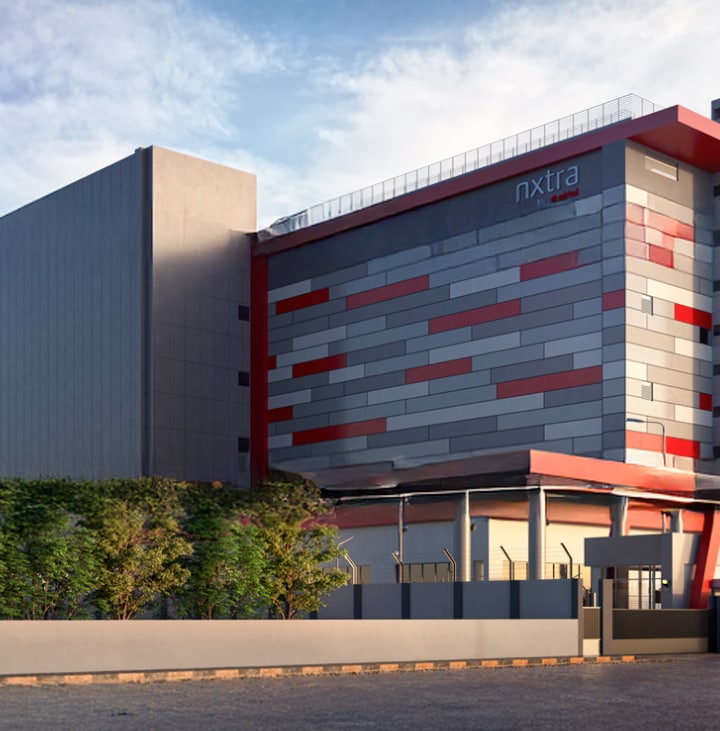
Nxtra by Airtel operates one of India’s largest data center networks, spread across key cities including Mumbai, Delhi, Bangalore, Chennai, and Hyderabad. Built with high-density colocation and hybrid deployments in mind, Nxtra supports the power and cooling requirements that modern AI and GPU workloads demand.
With strong connectivity, advanced cooling systems, and reliable power infrastructure, Nxtra helps Indian enterprises deploy AI at scale without worrying about outgrowing their facility. As more businesses move from experimentation to full-scale AI deployment, having a partner that understands high density colocation becomes a real advantage.
FAQs
-
High-density colocation supports substantially greater power per rack, with AI-ready environments capable of accommodating densities of 40–100+ kW and beyond.
-
GPU servers used for AI training and inference consume far more power than traditional servers. Running them in standard facilities forces enterprises to spread equipment across multiple racks, which increases latency and costs.
-
Common methods include air cooling, rear-door heat exchangers, and liquid cooling, with the choice depending on how much heat needs to be removed per rack.
-
No, any enterprise running AI, machine learning, or GPU-heavy workloads can benefit, regardless of size, as long as their infrastructure needs match the facility’s capabilities.
-
Yes, many enterprises use a hybrid approach, running AI training in high-density colocation environments while using the cloud for flexible or short-term workloads.