High-Density Racks: Why Modern Data Centers Are Built for AI Workloads
 Apr 1, 2026
  5 min read
  Facebook
 Twitter
 LinkedIn
 Email
Email
High-density racks are changing how modern data centers handle AI workloads. These advanced setups now allow more computing power in less space. And this helps AI tasks run faster, cost less, and work more efficiently in today’s fast-moving tech world. Let’s dive in and understand in detail about these racks and their demands.
What Are High-Density Racks?
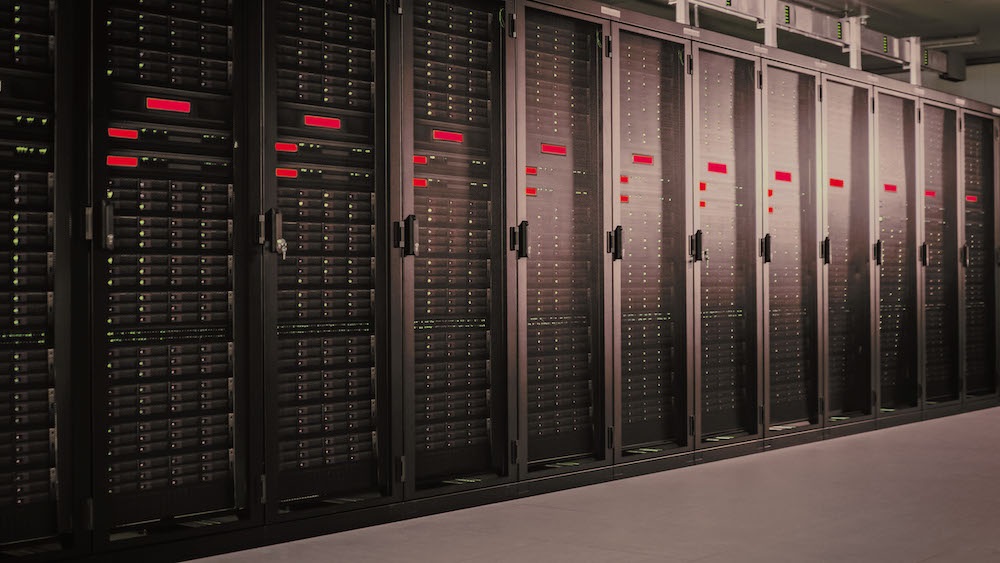
To the fundamentals first! Data center racks, in simple words, are structures that are designed to hold servers, storage systems, and networking equipment inside a data center. And high-density racks are a more advanced version, designed to fit more powerful equipment into the same space.
Traditional data center racks usually support around 5 to 10 kilowatts (kW) of power. In comparison, high-density racks can handle 15 kW, 50 kW, or even more than 100 kW per rack. This is important for AI workloads, as it needs large numbers of GPUs working together at high speed.
Modern high-density racks are built with stronger frames, better airflow systems, and improved cable management.
Why AI Demands High-Density Racks
As we may all know, AI workloads require much more power compared to regular applications. Large AI training clusters can consume several megawatts of power comparable to the electricity demand of a small town during peak operation. And because of this, traditional data center racks are no longer enough.
High-density racks enable large GPU clusters with low-latency interconnects, significantly reducing AI training times by allowing thousands of GPUs to work in parallel. For example, self-driving cars need instant processing of video data, and drug research requires analyzing millions of data points. These tasks are only possible with high-density systems.
That’s the reason the demand for AI infrastructure is growing at a fast pace. Today, Industry analysts expect sustained double-digit annual growth in AI-ready data center capacity through the end of the decade.
Also, in India, both large cloud companies and startups are adopting high-density racks to stay competitive. Without them, businesses may face delays, higher costs, and missed opportunities.
Power Needs and Smart Solutions
One of the biggest challenges with high-density racks is power consumption. AI systems need a lot of electricity, especially during heavy workloads, and older data center racks often cannot handle this demand.
This is where high-density racks come into the picture with advanced power systems like backup battery storage, strong backup generators, and intelligent power management systems that monitor and balance power usage. In 2026, many racks use rack-level power distribution units (PDUs) to provide stable and efficient power directly to each server.
Real-time monitoring software also helps track usage and reduce waste, which lowers electricity costs and improves performance.
Cooling the Intense Heat
These high-density racks produce a lot of heat because thousands of GPUs run without a break. Hence, traditional cooling methods are not enough for this level of heat.
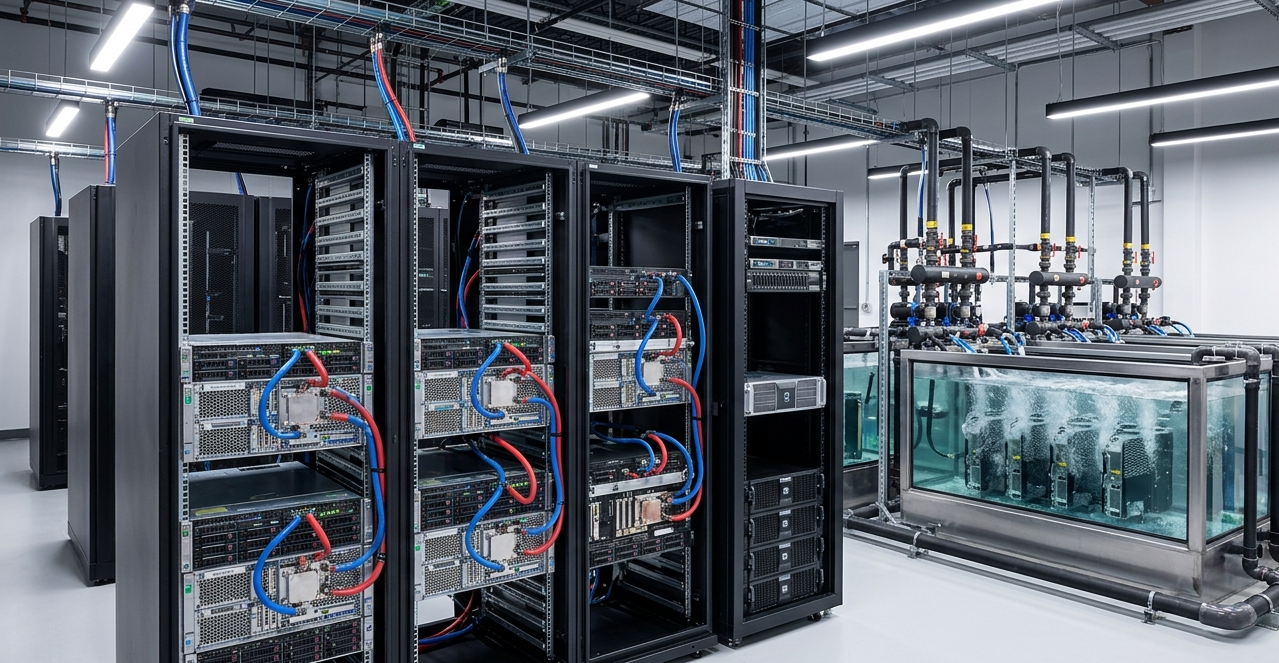
Modern high-density racks use liquid cooling systems that remove heat directly from the hardware. These systems are more effective than air cooling and also use less energy.
Direct-to-chip liquid cooling removes heat directly from processors, enabling significantly higher thermal efficiency than traditional air cooling. Rear-door heat exchangers capture hot air, while immersion cooling places servers in special liquid to manage extreme heat without using fans.
Liquid cooling is rapidly becoming the preferred approach for high-density AI deployments. It not only improves efficiency but also increases hardware life, helping many modern AI data centers achieve PUE values approaching 1.2 or lower.
Low Latency for Real-Time AI
AI applications often need instant responses, especially in real-time use cases like chatbots, fraud detection, or stock trading. Even small delays can cause problems.
High-density racks enable tightly integrated GPU clusters with ultra-fast networking, improving communication between compute nodes. Combined with edge deployments and low-latency networks, they support real-time AI applications.
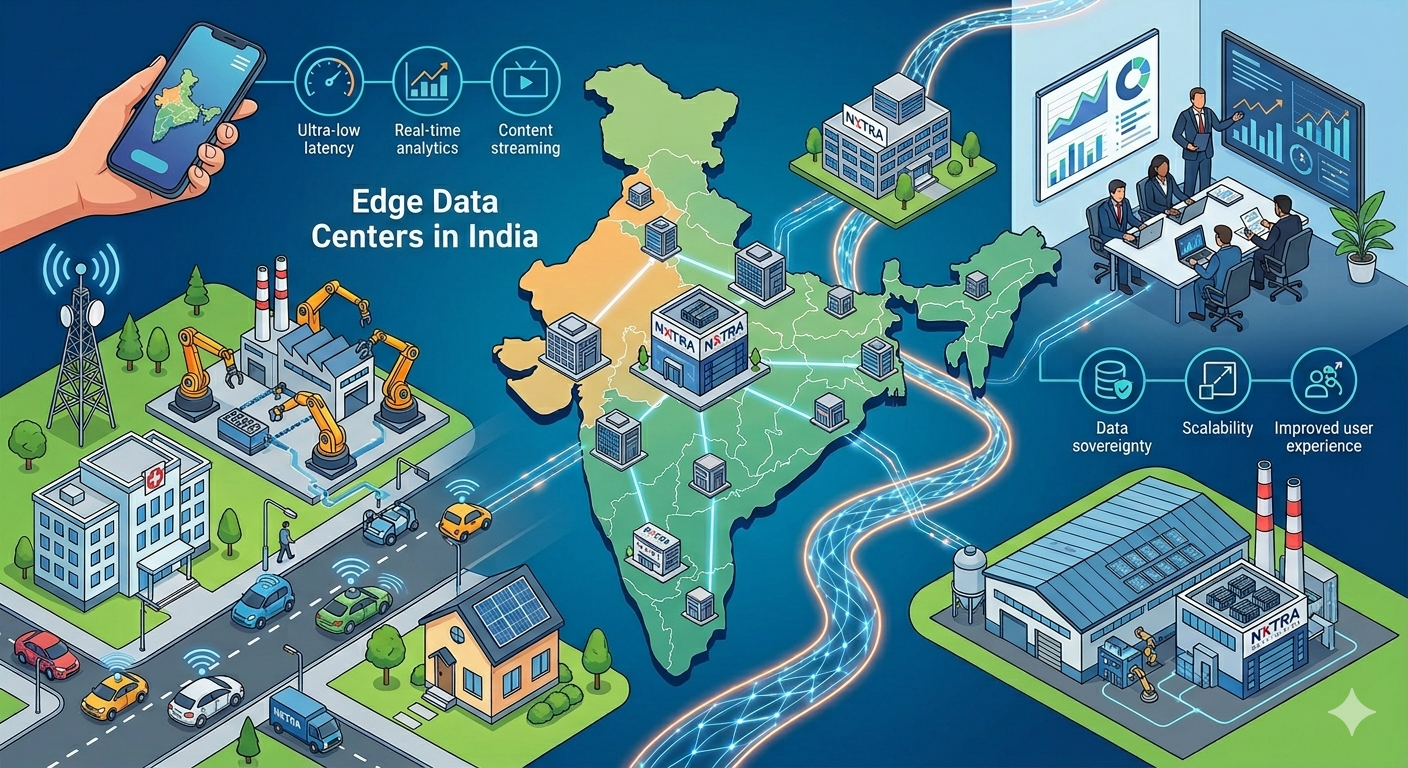
These racks are also used in edge locations, bringing computing closer to users. This improves performance for applications like video processing and language-based AI tools.
Sustainability Benefits
Although AI uses a lot of energy, high-density racks help make data centers more efficient. By fitting more computing power into less space, they reduce the need for large buildings and improve compute efficiency . When combined with renewable energy sources like solar and wind, and efficient cooling systems, high-density racks can achieve very low PUE levels.
As of today, many data centers are focusing on sustainability. High-density racks support this by educing water usage, and improving energy efficiency. This not only helps the environment but also reduces operating costs.
Challenges and Fixes
High-density racks require a higher initial investment. But upgrading power systems, strengthening floors, and installing cooling systems can be expensive.
Also, managing liquid cooling systems requires skilled professionals. Moreover, upgrading older data center racks can be difficult. Hence, many companies choose to build new facilities instead. However, modular designs make it easier to start small and expand over time. Proper planning, training, and expert support can help businesses handle these challenges effectively.
Future Outlook
In the coming years, high-density racks are all set to become the standard for AI-driven data centers. We can expect even higher power densities, reaching more than 150 kW per rack. There is no doubt that future data centers will combine cloud systems, edge computing, and advanced AI clusters. India is well positioned to become a major hub for AI-ready digital infrastructure.
Conclusion
High-density racks are transforming traditional data center racks into powerful systems built for AI. They solve key challenges like power, cooling, and speed while improving efficiency and sustainability.
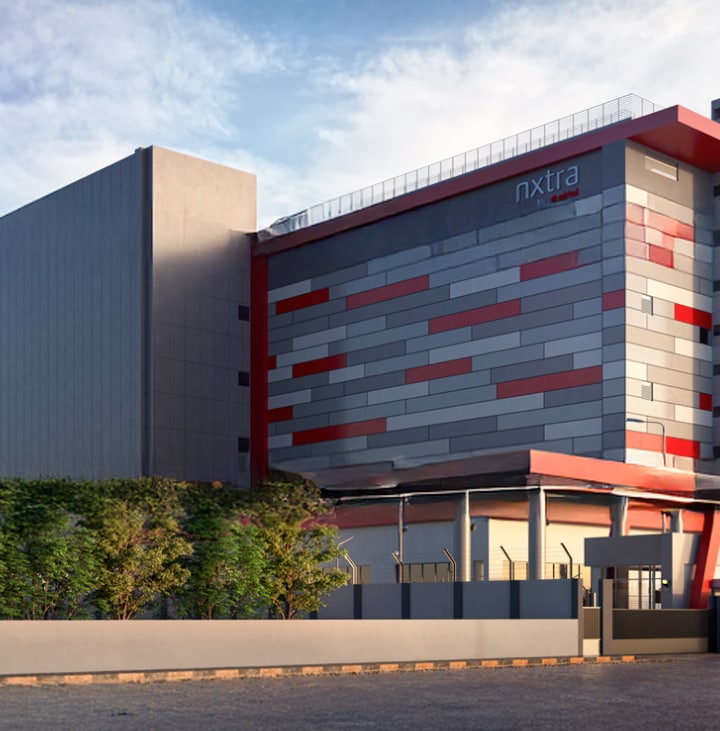
As AI continues to grow, these racks will become essential for businesses of all sizes. Nxtra by Airtel provides AI-ready colocation infrastructure capable of supporting high-density deployments, advanced cooling technologies, and scalable power for enterprise AI workloads.
FAQs
-
They typically support between 15–150 kW depending on the deployment, much higher than traditional data center racks. This makes them ideal for handling AI workloads that require powerful GPUs and continuous processing without performance issues.
-
Liquid cooling is used as it handles heat more efficiently than air cooling. It also saves energy and supports very high power loads. It helps maintain stable temperatures, which improves system performance and increases the lifespan of expensive hardware.
-
Yes, they improve energy efficiency, reduce space usage, and support sustainable practices.
-
By supporting tightly coupled GPU clusters connected through high-speed networking, enabling faster communication between compute nodes.
-
Data centers, in future, will use more high-density racks, support edge computing, and handle larger AI workloads. They will also focus more on energy efficiency, scalability, and faster processing to meet growing digital demands.