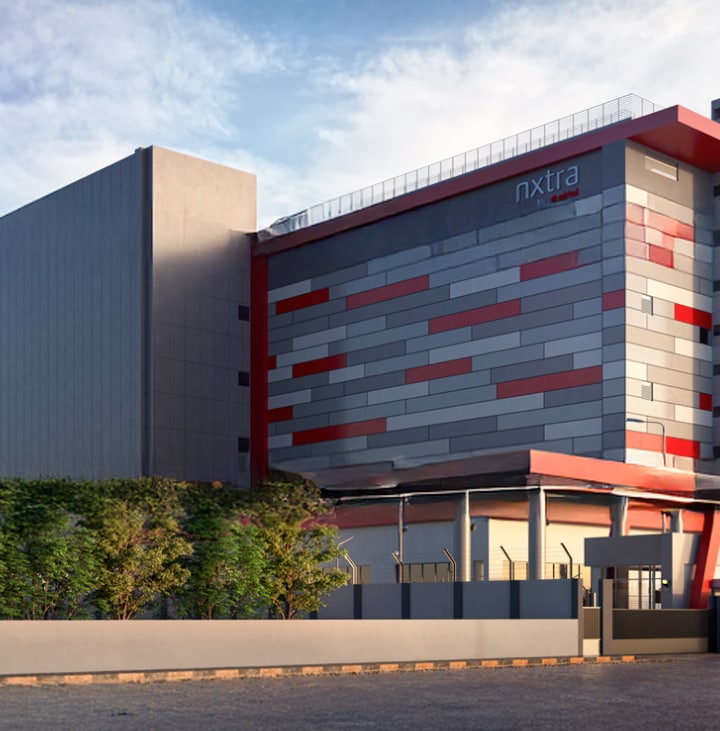
Edge Data Centers in India: Use Cases, Benefits & Enterprise Adoption
 May 15, 2026
  4 min read
  Facebook
 Twitter
 LinkedIn
 Email
Email
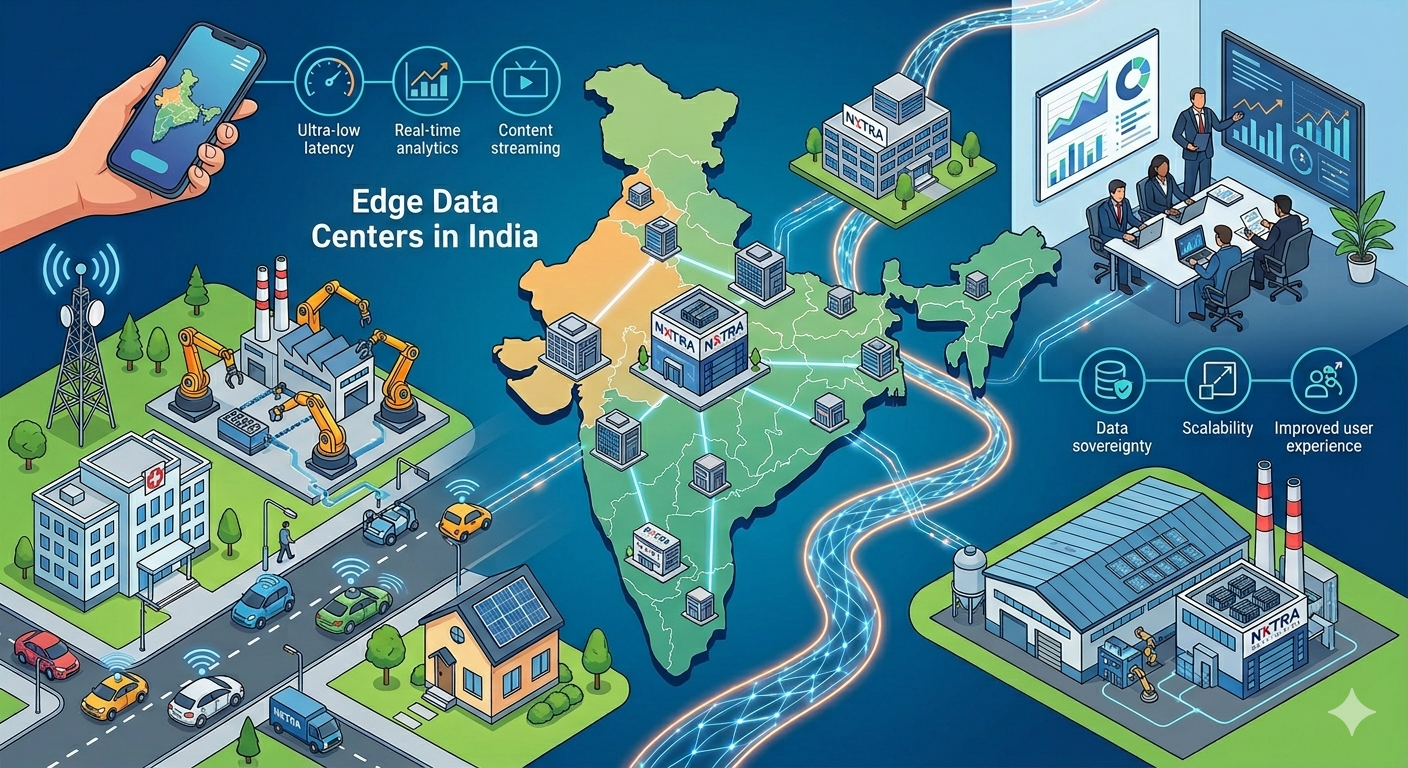
Edge data centers in India bring computing power closer to where people and businesses need it. This helps applications run faster and more reliably in today’s fast-growing digital environment. With 5G expanding and smart devices increasing across homes, factories, and cities, these smaller local facilities reduce delays and improve connectivity. This is especially useful outside large metro cities like Delhi or Mumbai.
They play an important role in India’s digital growth, supporting everything from online shopping to critical healthcare services. This guide explains edge data centers in a simple way, including what they are, why they are growing in India, their key use cases, benefits for businesses, and how enterprises are adopting them.
What is an Edge Data Center
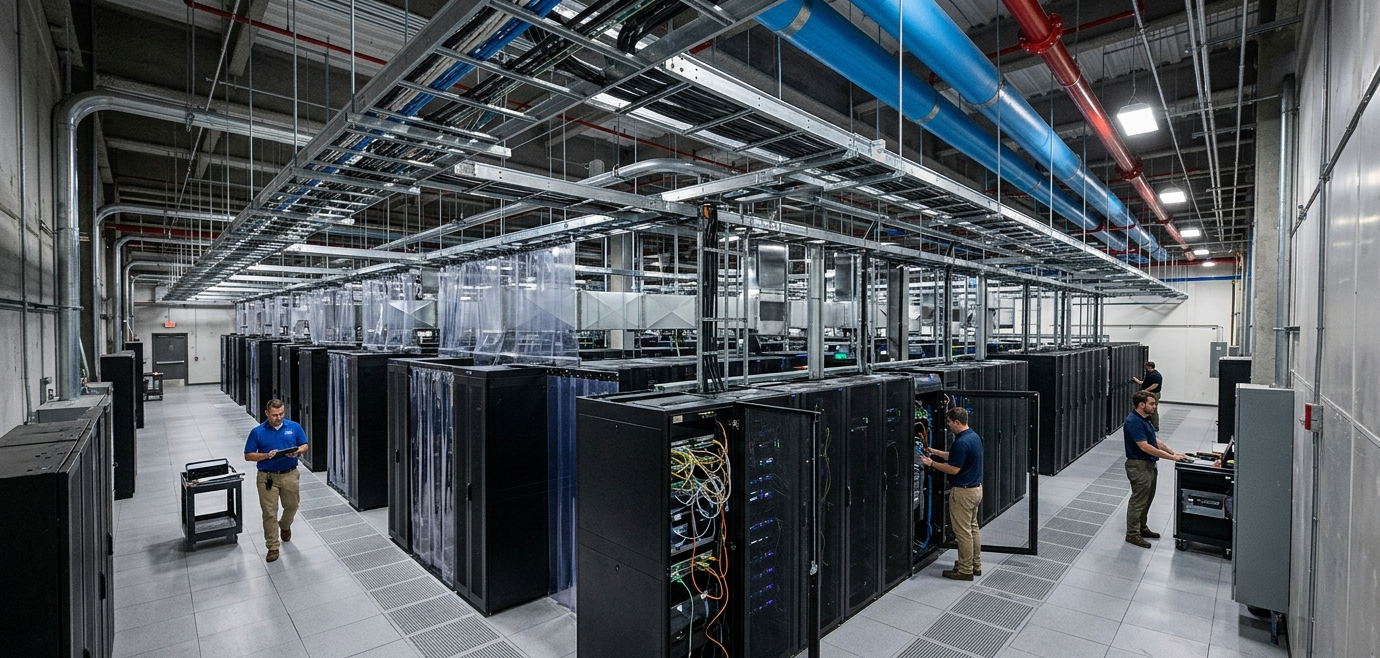
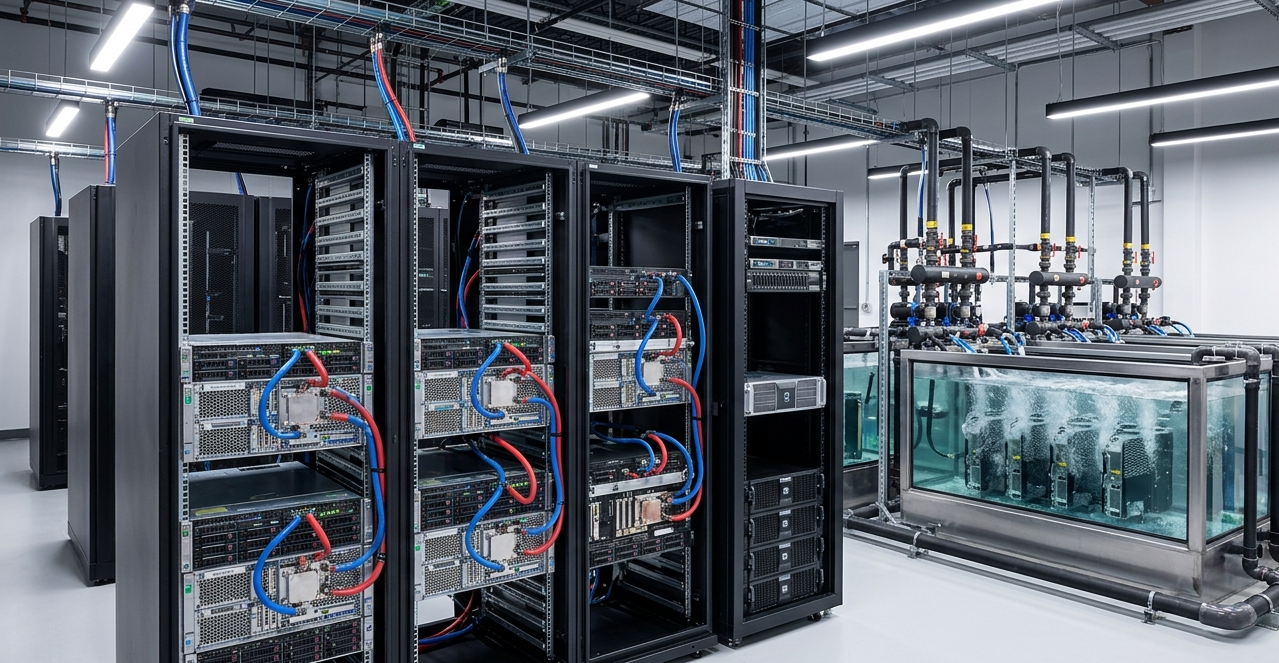
An edge data center is a compact facility located close to where data is generated or used. Instead of sending all data to distant centralized data centers, it processes information locally to deliver faster response times and lower latency.
This is especially important for applications such as video calls, gaming, online learning, connected devices, and industrial automation, where real-time performance is critical.
Edge data centers are smaller and quicker to deploy, and can be set up at telecom sites, enterprise campuses, hospitals, or commercial buildings. In a large and digitally connected country like India, they help deliver reliable digital experiences across both urban and rural regions by processing time-sensitive data closer to users.
Edge Data Centers in India
Edge data centers are becoming more important as India’s digital ecosystem expands. They are no longer limited to major tech hubs but are now growing in smaller cities such as Jaipur, Coimbatore, and Lucknow.
Telecom providers and infrastructure companies are actively building these facilities, supported by 5G networks and data localisation requirements. These regulations encourage storing and processing data within the country. Telecom companies are using their existing tower networks to host edge facilities. This reduces the need for large new infrastructure and speeds up deployment.
Edge data centers work alongside hyperscale data centers. While edge handles real-time processing, central data centers manage storage and large-scale computing.
Main Use Cases
Edge data centers support many real-world applications where fast response time is critical.
- Manufacturing: Machines can monitor performance in real time, detect faults early, and reduce downtime.
- Healthcare: Hospitals can process medical data quickly, enabling faster diagnosis and remote consultations.
- Telecom: Edge supports 5G services like smooth video streaming and smart network management.
- Banking: Financial institutions can detect fraud instantly at ATMs and branches.
- Retail: Stores can analyse customer movement and improve in-store experiences.
- Smart cities: Edge enables real-time monitoring of traffic, safety systems, and public infrastructure.
These use cases show how edge data centers support both everyday services and advanced technologies like AI and automation.
Key Benefits
Edge data centers offer several benefits for businesses:
- Low latency: Applications respond faster as data is processed closer to users.
- Improved reliability: Systems continue to function even if one location faces issues.
- Cost efficiency: Reduced data transfer lowers bandwidth costs.
- Regulatory compliance: Local data processing helps meet Indian data regulations.
- Scalability: Businesses can expand capacity gradually without major redesign.
Overall, edge data centers improve performance while keeping operations efficient and flexible.
How Enterprises Use Them
Organizations across industries are adopting edge data centers to improve service delivery. This includes telecom providers, banks, e-commerce companies, healthcare providers, and government projects.
They aim to deliver reliable performance across the country, not just in metro cities. For example, streaming platforms need smooth playback, while online retailers require instant inventory updates.
Companies like Nxtra by Airtel are expanding their presence across multiple cities to support growing demand. At the same time, initiatives under Digital India are encouraging adoption.
Market Growth
The demand for edge data centers in India is growing rapidly. This growth is driven by increased use of smart devices, expansion of 5G, and rising digital services across sectors. What was once a niche concept is now becoming mainstream. Edge data centers are working together with large cloud systems to create a balanced infrastructure.
In the future, AI-powered applications are set to run more at the edge. This will enable faster decision-making, such as traffic management or personalized digital experiences.
Sustainable designs and energy-efficient systems will also play a key role in long-term growth.
Conclusion
Edge data centers are transforming how digital services are delivered in India. By bringing computing closer to users, they improve speed, reliability, and overall experience.
Nxtra by Airtel supports this shift with a wide network of edge facilities, scalable solutions, and reliable infrastructure. This helps businesses adopt edge computing easily and grow as their digital needs increase.
FAQs
-
An edge data center is a compact facility located close to users or connected devices. It processes data locally instead of sending it to distant centralized data centers, helping reduce latency and improve application performance.
-
Edge data centers are growing in India due to the expansion of 5G networks, rising adoption of smart devices, increasing demand for real-time digital services, and data localisation requirements. They also help deliver faster and more reliable digital experiences across tier 2 and tier 3 cities.
-
They are used in manufacturing, healthcare, telecom, banking, retail, and smart cities. These sectors need fast data processing for real-time operations.
-
Businesses benefit from faster performance, better reliability, lower costs, and easier compliance. They can also scale operations more efficiently.