Edge AI Infrastructure: The Future of Low-Latency Computing in India
 Jun 17, 2026
  5 min read
  Facebook
 Twitter
 LinkedIn
 Email
Email
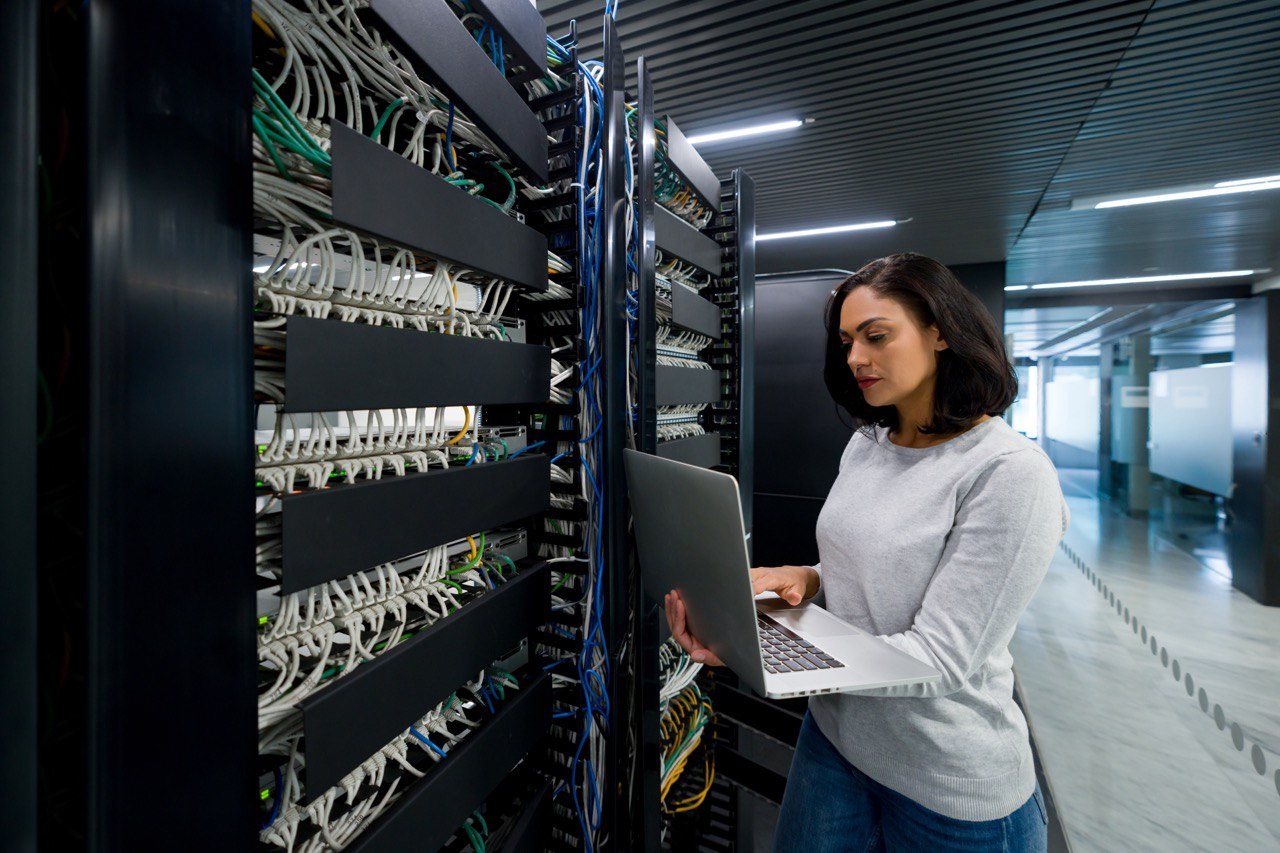
Every second counts when machines make decisions in real time.A factory robot, connected production line or critical monitoring system cannot afford to wait for data to travel to a distant processing location and back. And this is where edge AI infrastructure becomes important. It brings computing power closer to where data is created, cutting delays and improving speed. As India pushes ahead with 5G, smart cities, and AI-led industries, edge computing in India is quickly becoming the backbone of modern digital infrastructure. This blog looks at why edge AI matters and how it is shaping the future.
What Is Edge Infrastructure?
Edge infrastructure refers to distributed computing resources such as servers, storage, and networking placed physically close to users and devices, rather than in faraway centralized data centers. Instead of sending every bit of data to the cloud, these edge nodes process information locally. This distributed model reduces the distance data must travel, enabling faster decisions and decreasing the volume of information transmitted across the network.
Why Low Latency Computing Matters
Latency is simply the time data takes to travel from its source to a processing system and back. In many applications, even a small delay can cause real problems. Autonomous vehicles, industrial robots, telemedicine, and remote surveillance all need almost instant responses that only low-latency computing can deliver.
5G can enable significantly lower latency, but end-to-end performance also depends on where data is processed and how far it must travel. This is exactly the gap that edge infrastructure fills. By placing computing resources closer to users and devices, edge infrastructure reduces latency and supports more responsive applications.
Why India Needs Edge Computing Now
Millions of new mobile users, growing 5G rollout, and rising AI adoption across sectors mean that centralized cloud computing alone cannot keep up. Traditional centralized cloud computing alone cannot deliver the performance, speed, and responsiveness that AI, 5G, and IoT applications now demand.
There are also some clear India-specific advantages of building this out further:
- Tier-2 and tier-3 reach: Decentralized edge nodes can bring digital services outside metro cities, improving performance and inclusion for smaller towns.
- Real 5G benefits: Edge computing India needs a strong edge layer to unlock what 5G actually promises in terms of speed.
- Faster AI adoption: Local processing allows industries to run AI applications without depending only on distant servers.
- Lower costs: Processing data closer to the source cuts down on unnecessary data transfer and network load.
Real-World Use Cases Making an Impact
Edge is not just a concept on paper. It is already solving practical problems in India.
In transportation, edge infrastructure can process data from sensors and monitoring systems closer to the point of operation, enabling faster alerts and operational decisions. Even a short delay here could be dangerous, so having decisions made right at the source is critical.
In healthcare, edge-enabled diagnostic systems can process medical images closer to the point of care, supporting faster preliminary analysis where central resources are not immediately accessible. This is especially valuable in rural areas where access to specialists and labs is limited.
Manufacturing, logistics, and smart city projects are following the same pattern. Sensors, cameras and machines can process time-sensitive information locally while transmitting selected data to central systems for further analysis.
The Challenge of AI Energy Consumption
As edge and AI infrastructure expand, so does its power demand. AI workloads, whether at the edge or in central data centers, need constant power for processing and cooling. This raises real concerns around AI energy consumption, and operators are now turning to smarter systems to manage it.
Predictive energy management uses historical data and real-time conditions to forecast power needs, helping data centers allocate resources and avoid unnecessary energy use. AI also enables automated cooling control, adjusting systems in real time based on temperature and airflow instead of cooling the entire facility uniformly. Alongside this, dynamic workload distribution helps servers run more efficiently by shifting tasks away from idle machines, which further reduces power use.
For a country like India, where power availability and cost vary widely between regions, managing AI energy consumption efficiently is just as important as managing latency.
Why a Hybrid Approach Works Best
Cloud, colocation, and edge do not have to compete with each other. Colocation facilities continue to play a vital role by offering secure, highly connected, and resilient environments where enterprises can house both centralized and edge infrastructure. Many forward-looking businesses now combine centralized cloud, colocation, and edge deployments to balance performance, security, and cost together.
This hybrid model is particularly suited to India, where workloads vary hugely between industries and regions. Sensitive, time-critical data can stay close to the source, while flexible or less urgent workloads can still use the cloud.
How Nxtra by Airtel Supports Edge Ready Infrastructure
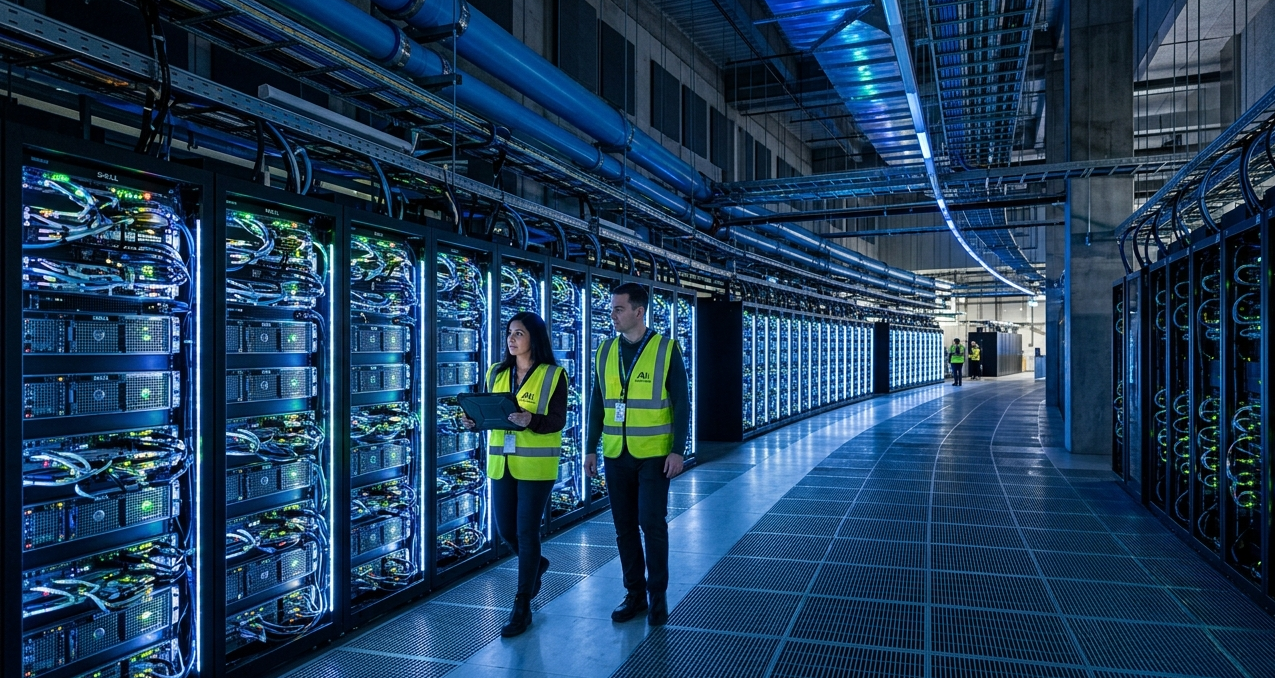
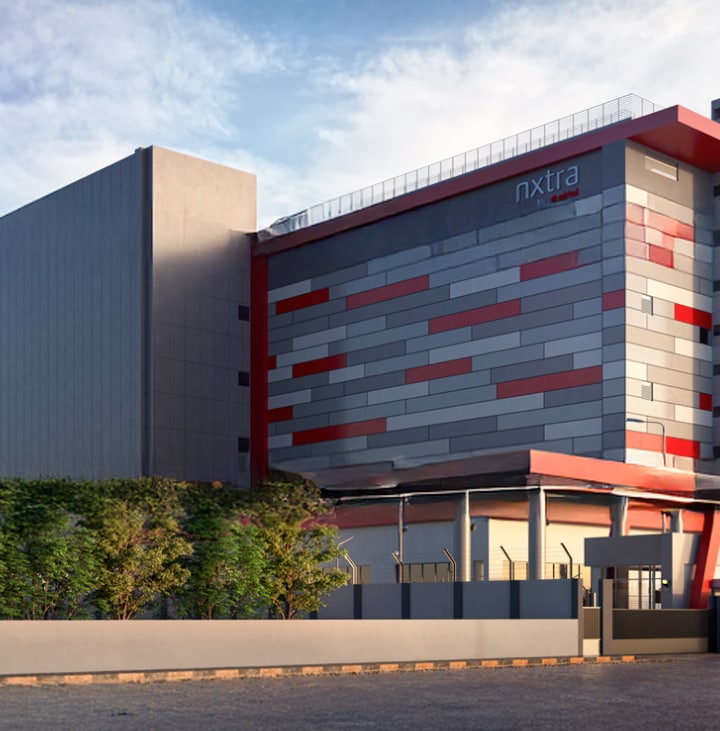
Building a strong edge AI ecosystem needs the right physical foundation. Nxtra by Airtel, with its data centers in Mumbai, Delhi, Bangalore, Chennai, and Hyderabad, supports colocation, hybrid setups, and high-performance AI and GPU workloads.
With reliable connectivity, advanced cooling, and strong security standards, Nxtra helps enterprises extend their infrastructure closer to where their users and devices are. Whether it is supporting low latency computing for real-time applications or managing power-hungry AI workloads efficiently, Nxtra is positioned to help Indian businesses build for what comes next.
FAQs
-
It refers to computing resources like servers and storage placed close to users and devices, allowing data to be processed locally instead of only in centralized cloud data centers.
-
Many AI-driven use cases such as autonomous vehicles, robotics, and telemedicine, need near-instant responses. Low-latency computing ensures decisions happen in milliseconds rather than seconds.
-
Edge systems can reduce unnecessary data movement by processing selected information locally. However, their overall energy efficiency depends on utilisation, facility design and cooling effectiveness.
-
No, most enterprises use a hybrid approach. Edge handles real-time processing, while cloud and colocation manage broader storage, compliance, and flexible workloads.
-
Railways, healthcare, manufacturing, logistics, and smart city applications benefit the most, as they depend heavily on real-time data processing and quick decision-making.