How Data Centers Keep Businesses Running 24/7: Inside the Operations Layer
 Feb 27, 2026
  6 min read
  Facebook
 Twitter
 LinkedIn
 Email
Email
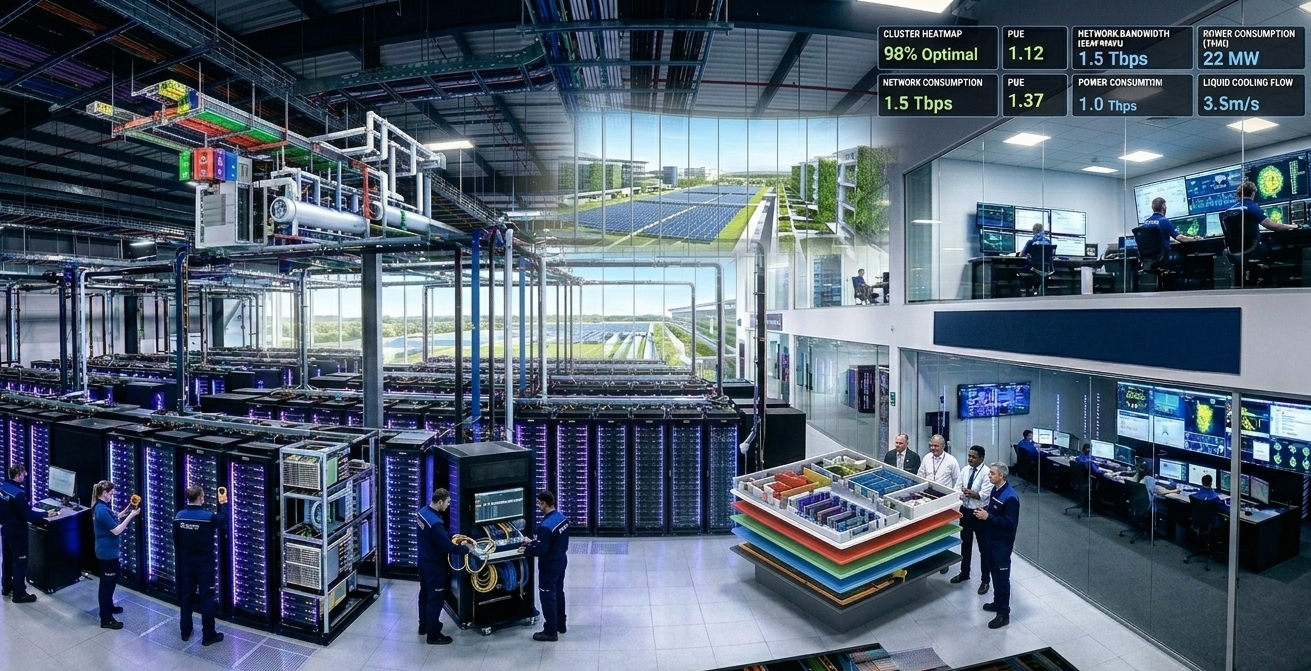
Data is flowing constantly across apps and business systems. To keep this data secure and operations smooth, companies need their services to work all the time. Data centers are the entities that help in doing so. They make it possible by hosting servers, storage as well as networks. Consequently, it keeps applications and data available without any interruption. They work quietly in the background and make sure systems stay online, information stays secure and services remain accessible at all hours.
But this reliability is due to three factors: strong data center operations, dependable data center support and a well-planned redundancy network.
Let’s explore more and understand their fundamentals and learn how data centers keep businesses running 24/7.
What Is a Data Center?
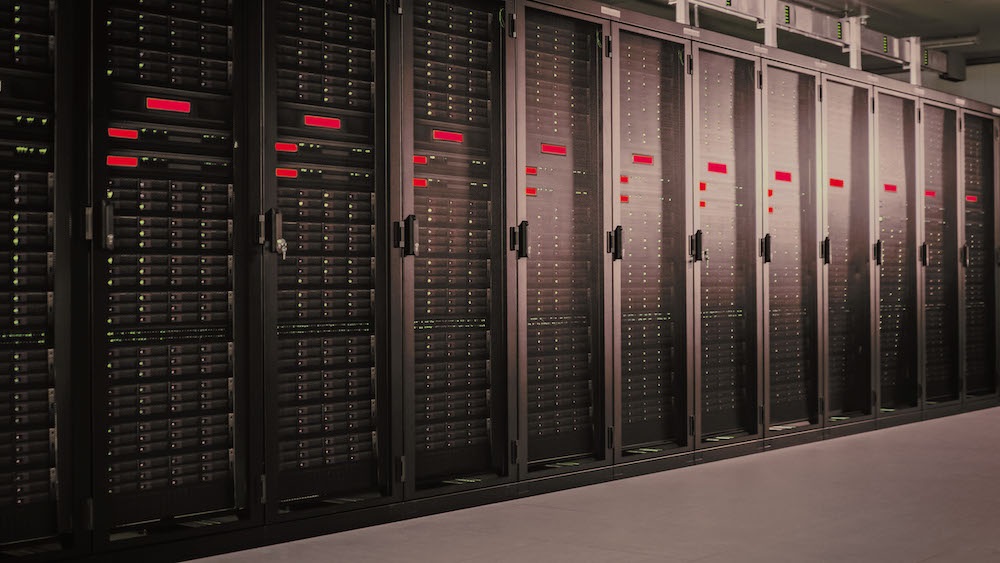
A data center is a facility that stores and manages powerful computer systems and keeps them secure. These systems handle data, run applications and connect users to online services.Inside a data center, you would usually find servers that run websites, apps and business software, storage systems that keep databases and backups and network equipment that connects systems to users and the internet.
When businesses use cloud services, their data and applications usually operate from one or more data centers.
What Do Data Center Operations Include?
Data center operations refer to all the daily activities needed to keep the facility running smoothly, safely and without interruption. These activities usually include:
- Monitoring servers, storage and network performance
- Checking power and cooling systems regularly
- Responding quickly to alerts and technical issues
- Maintaining logs, procedures and compliance records
As technical issues can happen at any time, data center support teams work in shifts so trained staff are always available.
Power Systems: Keeping Everything On
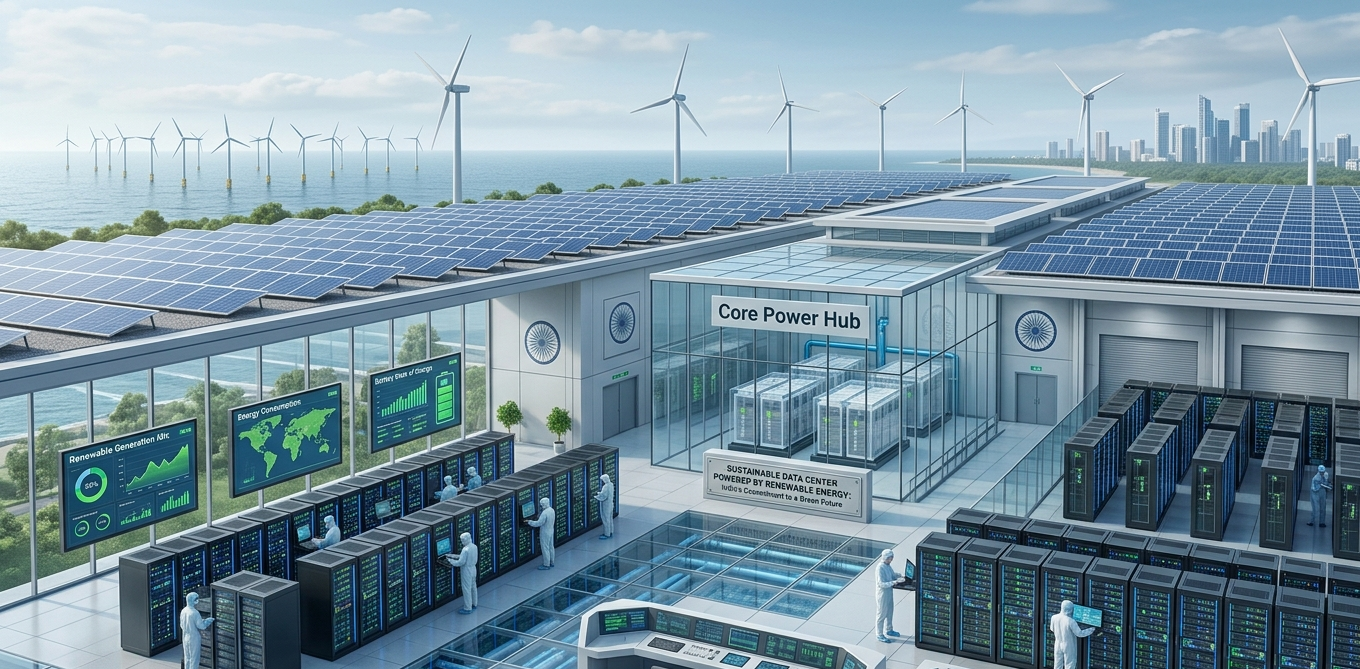
Undoubtedly, it is power that keeps everything in working mode and hence, it is critical for any data center. Even a few seconds of power loss can impact business services. To prevent this, data centers use multiple layers of power backup.
Most data centers rely on the main electricity supply for everyday operations, UPS batteries that provide instant power during outages and generators that support systems during longer power cuts. This setup is part of the redundancy network and makes sure there is always a backup ready if one power source fails.
Cooling Systems to Manage Heat
Servers work all the time, and while running, constant heat is produced. To tackle this heat, cooling systems are installed. Without proper cooling, systems can slow down the process or even shut down at times. Here are a few simple things data centers do to manage this heat:
- Servers are arranged rightly so cool air and warm air move in the right direction.
- Air-conditioning and cooling systems are used to keep the temperature comfortable.
- Sensors keep an eye on heat and humidity throughout the day.
There are also backup cooling systems. So if one unit has a problem, another one steps in and work continues without any disruption.
Network Connectivity: Staying Online Without Breaks
The network inside a data center connects all systems and links them to the outside world with the help of the internet. It helps data move smoothly between servers, storage and users. Hence, a strong and stable network is important so that applications can run fast and services are available at all times.
To avoid network issues, data centers are designed with a strong redundancy network. This means they use more than one internet connection from different providers, along with backup routers and switches.
Regarding transfer, the data is sent through smart routing paths so it can take the fastest and safest route. If one network link or device fails, traffic then automatically moves to another available path. As a result of this setup, services stay online and users usually do not notice any interruption.
Security: Protecting Systems and Data
Data centers store valuable and sensitive information, and therefore, security is a top priority. Here, physical security usually includes:
- Controlled access using ID cards or biometrics
- CCTV cameras and on-site security staff
- Restricted access to critical equipment
And digital security includes:
- Firewalls and intrusion detection systems
- Data encryption
- Regular software updates
The Role of Data Center Support Teams and Redundancy
Even though smart tools and automation are used, people are still very important in data centers. Data center support teams watch systems all the time to make sure everything is working properly. They check dashboards, respond to alerts and fix issues before they affect users. These teams also do regular maintenance and test backup systems to avoid sudden problems.
Redundancy is another important part of keeping data centers reliable. It means having backups ready in case something fails. Data centers use extra power sources, more than one network connection and store data in multiple places.
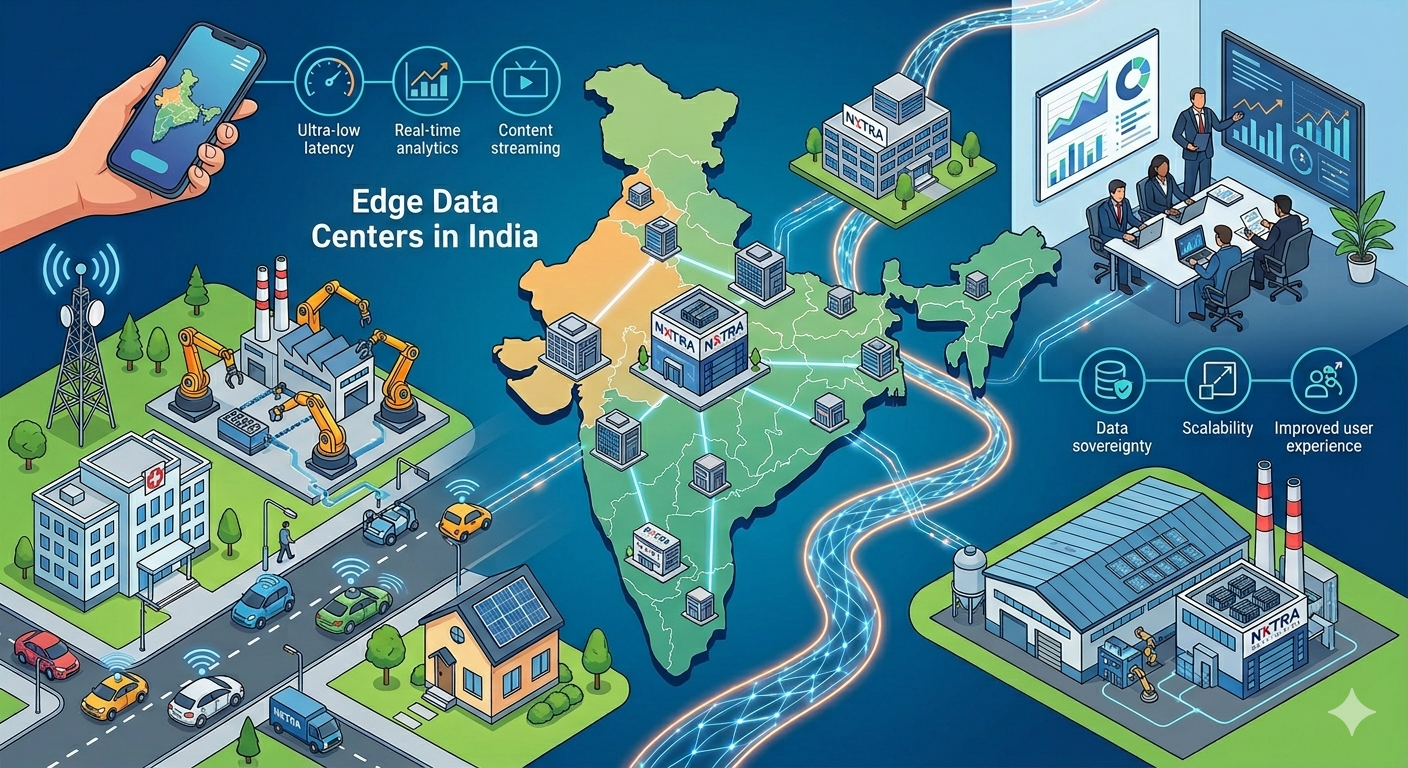
How Nxtra by Airtel Supports Always-On Operations
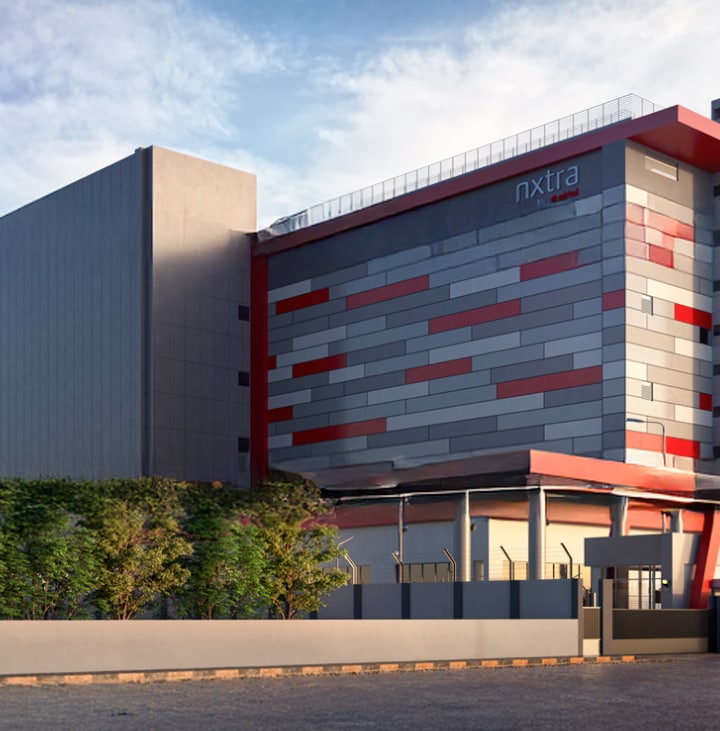
Nxtra by Airtel runs data centers that are built to keep systems working without breaks. These facilities have steady power, proper cooling and strong network connections so everyday operations continue smoothly. To handle unexpected issues, the data centers are set up with backup systems and more than one network route.
Nxtra has also leveraged AI to keep data center operations running smoothly. This helps track equipment performance, spot problems early and reduce energy waste. Overall, it allows applications and data stay available even if something stops working. The support teams at Nxtra by Airtel also regularly monitor systems, carry out maintenance and step in quickly when issues arise.
FAQs (Frequently Asked Questions)
- What is the main purpose of a data center?
A data center helps in storing and managing computer systems and takes care of them as they run applications, save data and keep online services available all the time.
- How do data centers stay operational all day and night?
Data centers use backup power, cooling systems and network alternatives to monitor systems continuously.
- What happens if there is a power cut?
In the case of a power cut, backup batteries and generators start working immediately. With this, systems continue running without interruption.
- How is data kept safe inside a data center?
Data is protected using physical security, controlled access, monitoring cameras, firewalls and regular system updates.
- Can users notice when a data center system fails?
Mostly users do not notice the data center system fails, as backup systems take over quickly.